
Marketplace – Maybe it’s hoarding, or protectionist, or human nature. Whatever you want to call it, some countries have plenty of oil right now while others don’t.
Nearly two months since the U.S. and Israel attacked Iran, launching a war that spread to multiple countries in the Middle East, the Strait of Hormuz remains essentially closed. Very little oil is making its way out of the region, and oil prices remain high around the world.
Some countries are facing shortages in addition to high prices — in part because other countries are able to pay more and are holding on to what they have.
“The disruption of oil and natural gas flows through the Strait of Hormuz is the biggest energy disruption the world has ever seen,” said Mark Finley, a nonresident fellow in energy and global oil at Rice University’s Baker Institute for Public Policy.
He said that with any global shortage like this, richer countries are the ones that can afford a bidding war, and poorer countries drop out and ration supplies. That’s what we’re seeing right now.
Matt Smith, director of commodity research at data analytics firm Kpler, said countries that have their own refineries and reserves and that can afford to pay, like the U.S, China, Japan, and South Korea, are facing high oil and gas prices but not shortages.
“You’re seeing protectionist measures being implemented by certain countries,” Smith said. “They’re dialing back on their exports. They’re keeping them back for their domestic market instead.”
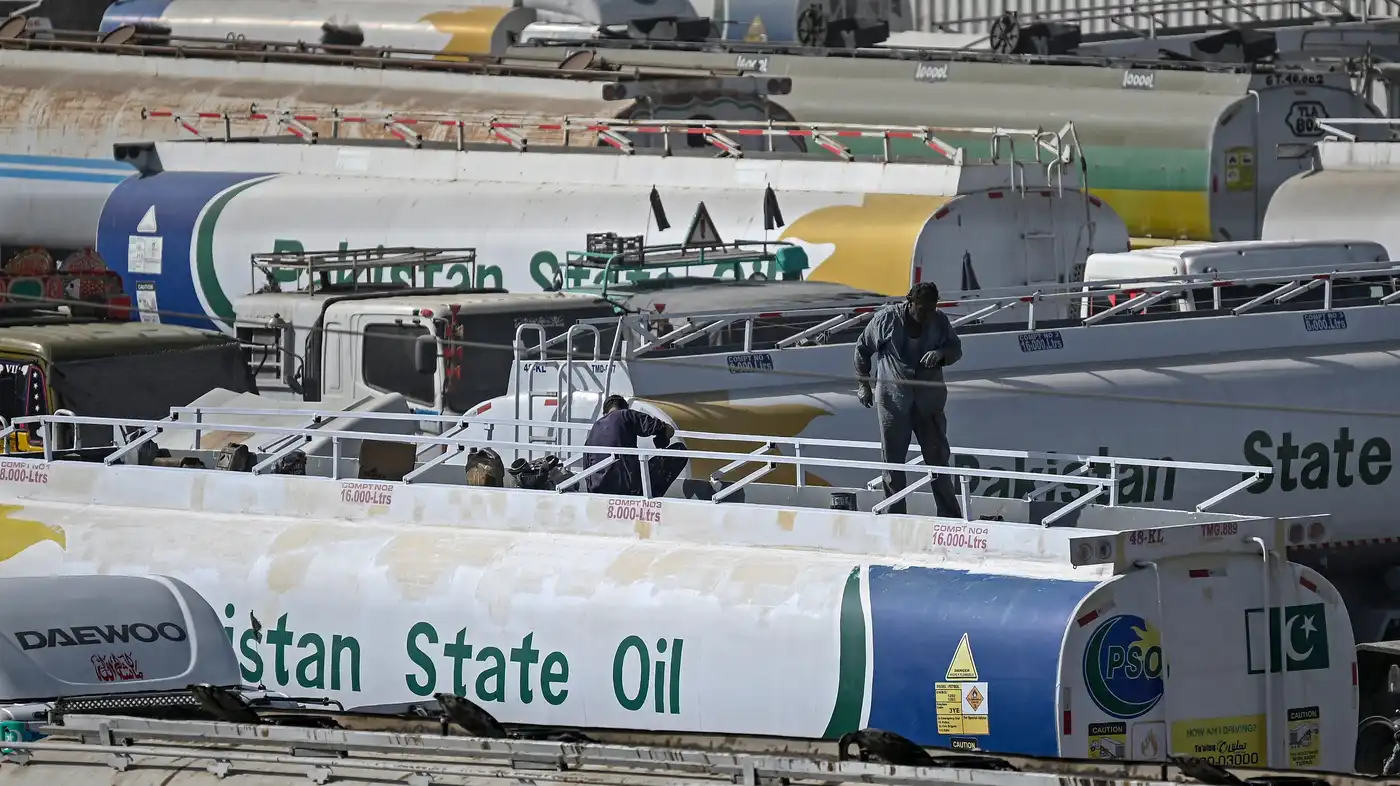
That means less wealthy countries that rely on exports aren’t able to get what they need. “Pakistan or India, Thailand, Taiwan, Vietnam, the Philippines, they are implementing ways to dial back on consumption because they are running out of fuel,” Smith said.
And all that looks like canceling flights, telling people to work from home, and rationing gas and electricity.